-
5Grade 5 Worksheets
- Number Patterns
- Counting
- Estimation
- Addition
-
Number Properties
-
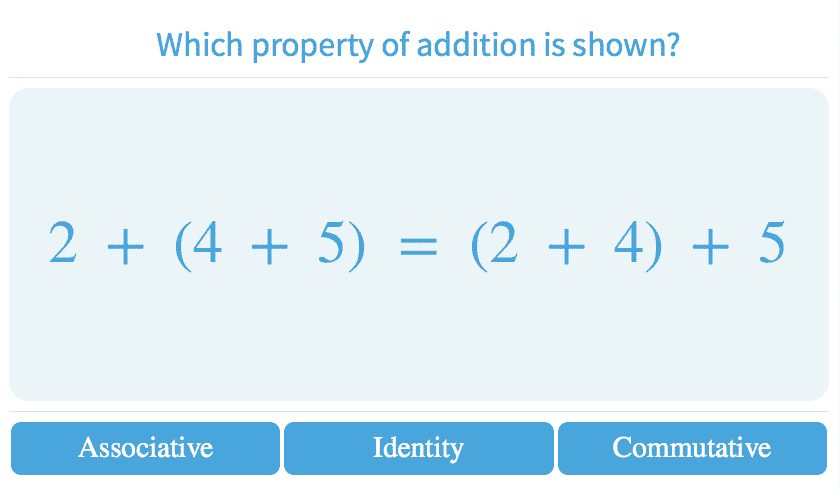
5.14Properties of Addition
-
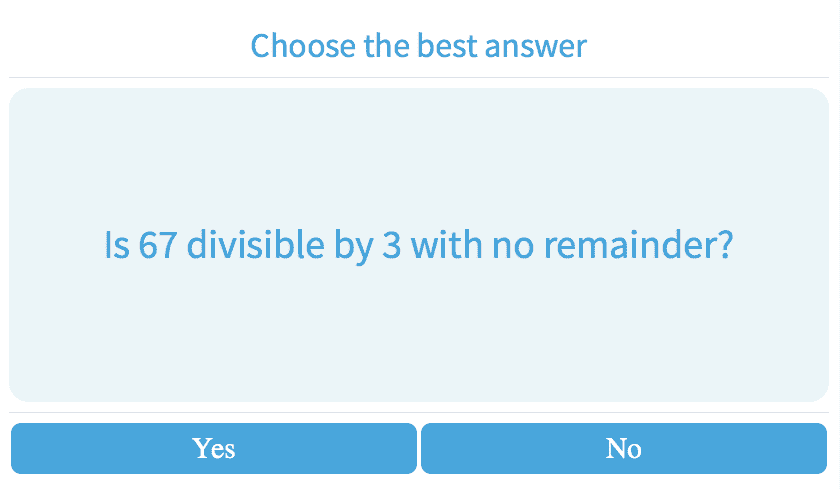
5.20Divisibility Rules with Numbers Up to 10,000
-
5.21Divisibility Rules with Dividend Up to 10,000,000
-
5.22Divisibility Rules
-
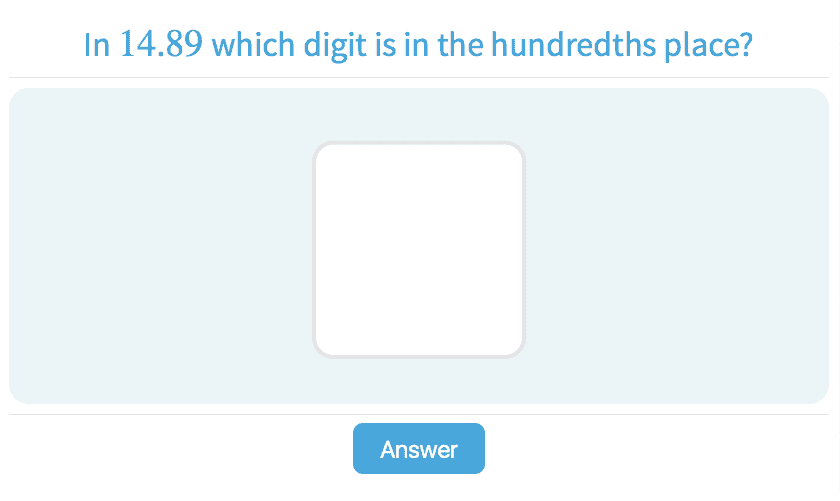
5.51Identify Place Values in Decimal Numbers
-
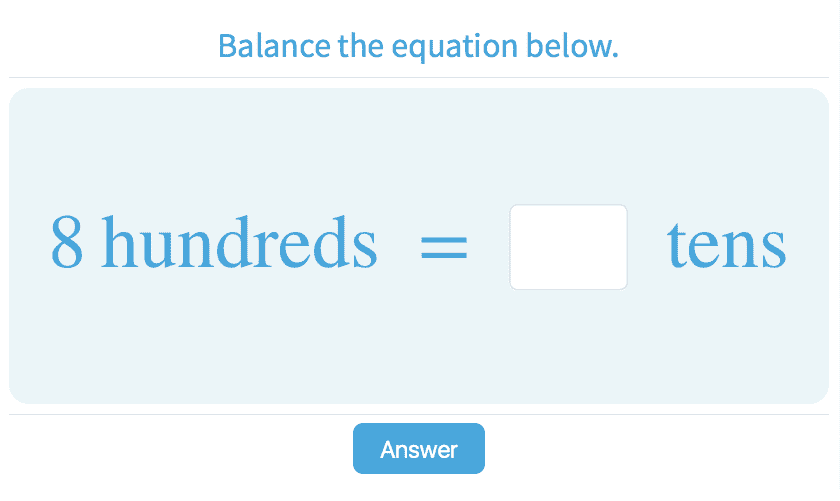
5.62Convert Numbers with Tens, Hundreds, Thousands
-
5.63Compare Numbers Up to 10000000
-
5.67Choose the Equivalent Fraction Up to Twentieths
-
5.68Choose the Equivalent Fraction
-
5.74Inequalities with Decimal Addition and Subtraction
-
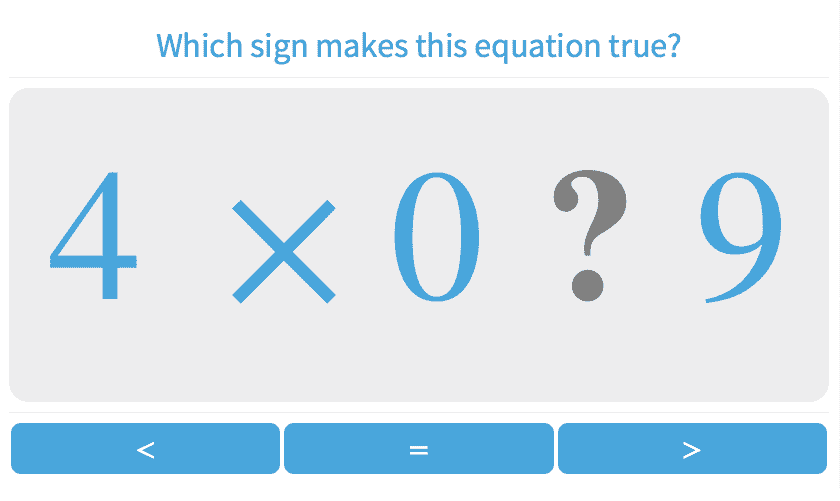
5.90Inequalities with Multiplication
-
-
Division
-
5.20Divisibility Rules with Numbers Up to 10,000
-
5.21Divisibility Rules with Dividend Up to 10,000,000
-
5.22Divisibility Rules
-
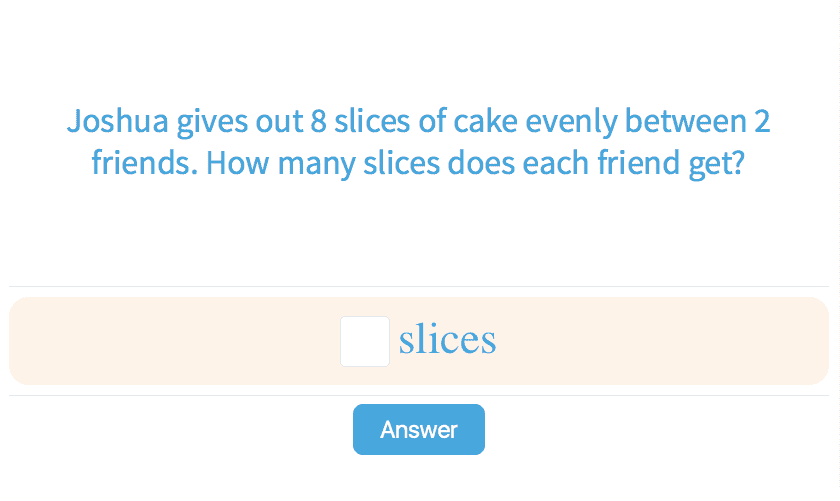
5.26Division with Dividends Up to 60
-
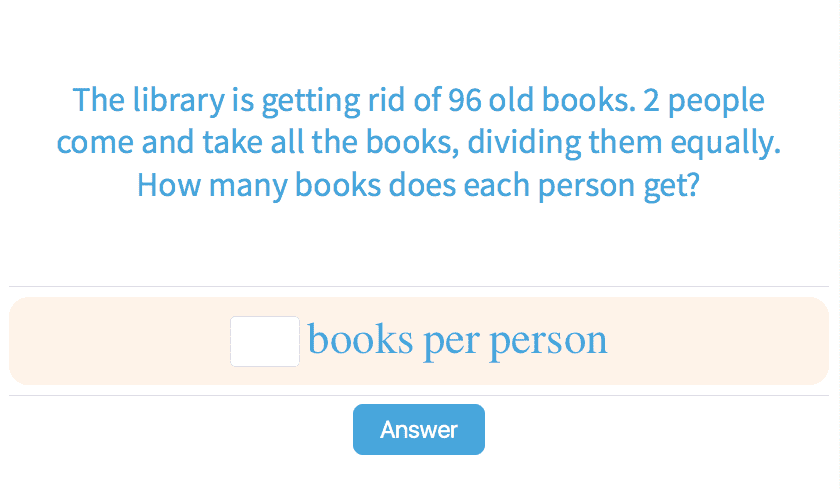
5.27Division with Divisors Up to 100
-
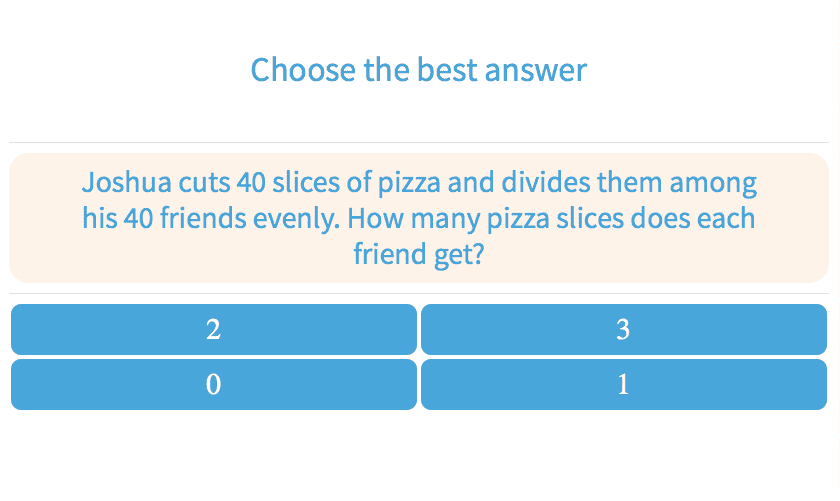
5.28Division with Divisors Up to 100
-
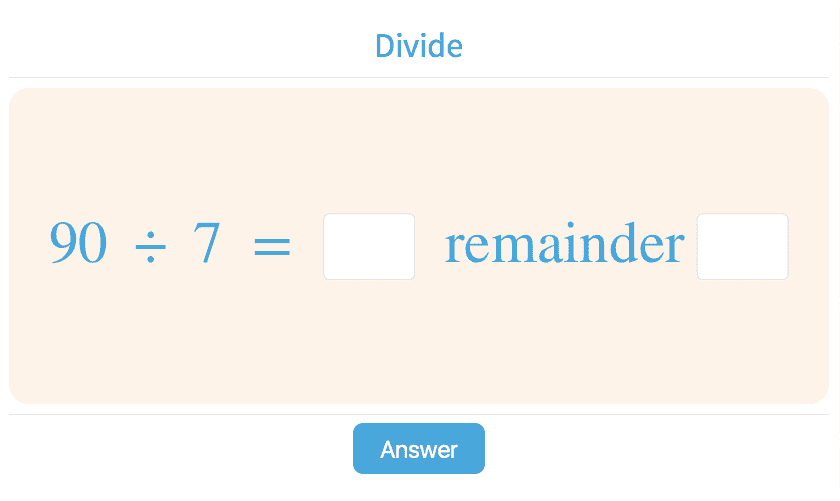
5.83Division with Remainder with Numbers Up to 1000
-
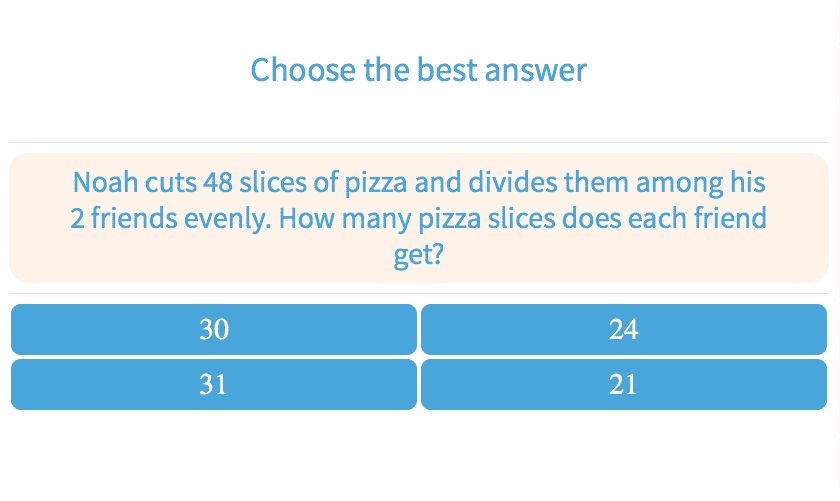
5.84Division with Dividend Up to 1000
-
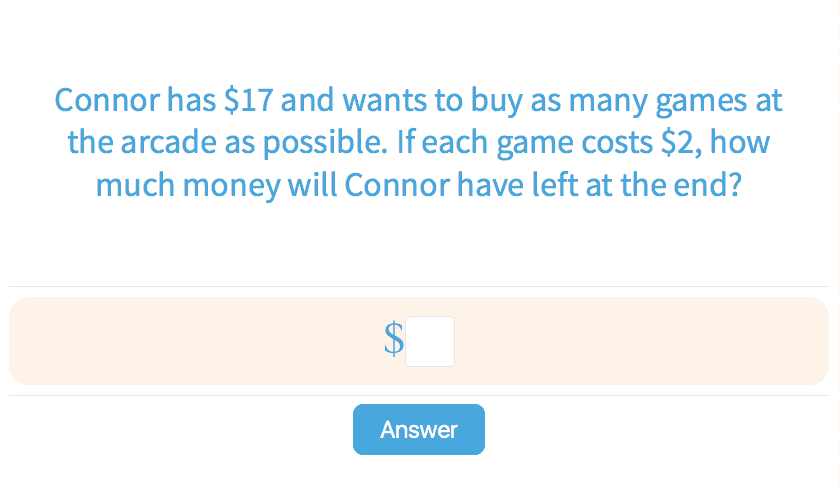
5.86Interpret Remainders
-
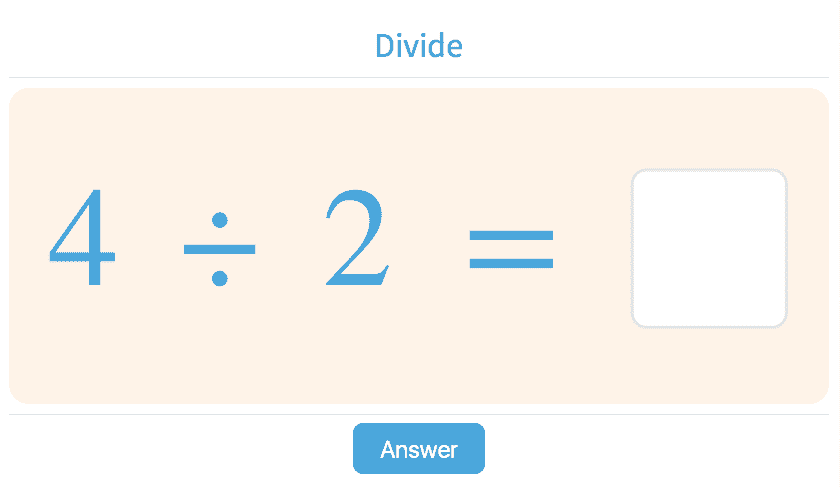
5.91Divide Two Numbers with Operands Up to 12
-
5.92Division with Remainder with Divisor Up to 1000
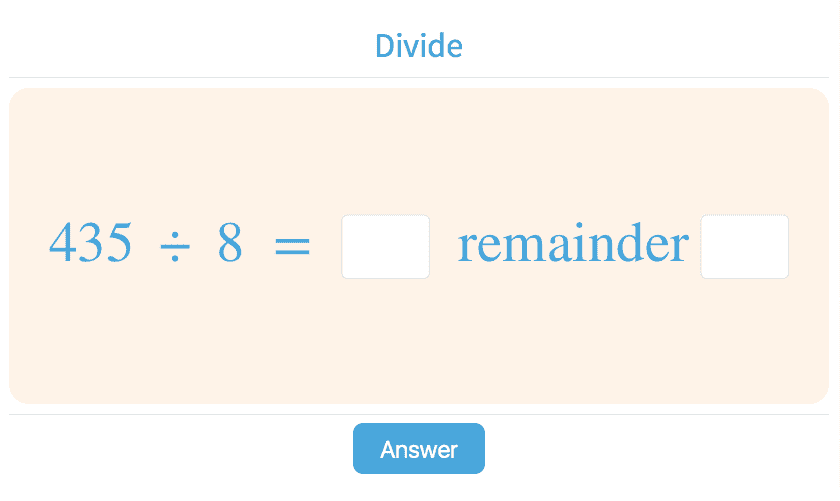
-
5.98Division with Divisors Up to 10
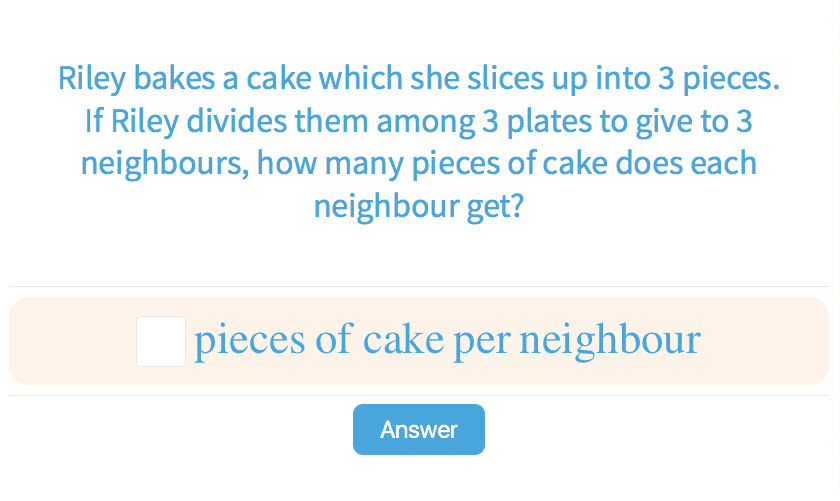
-
5.99Division with Divisors Up to 10
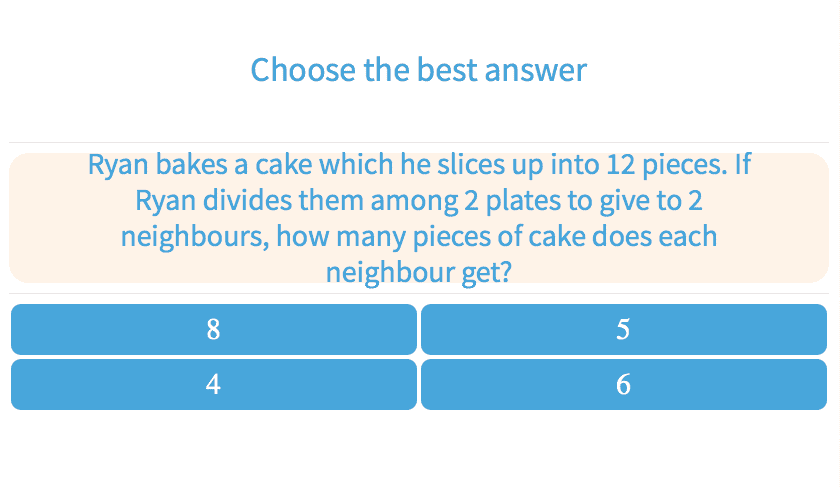
-
-
Multiplication
-
5.23Multiplication
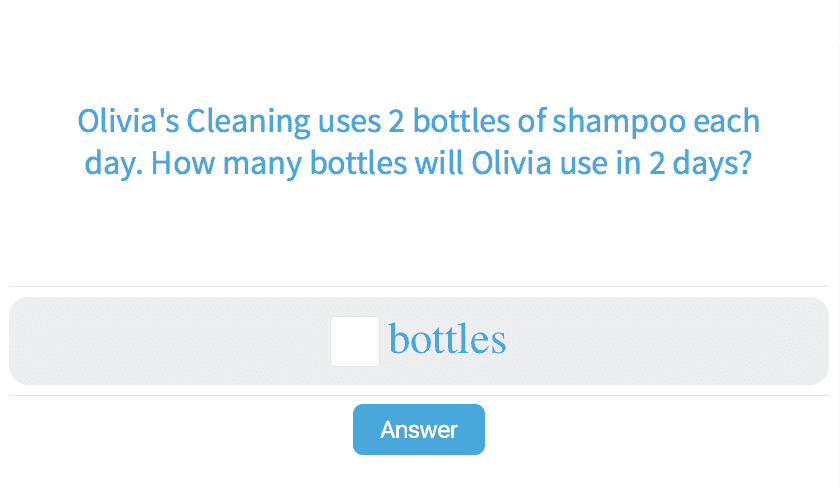
-
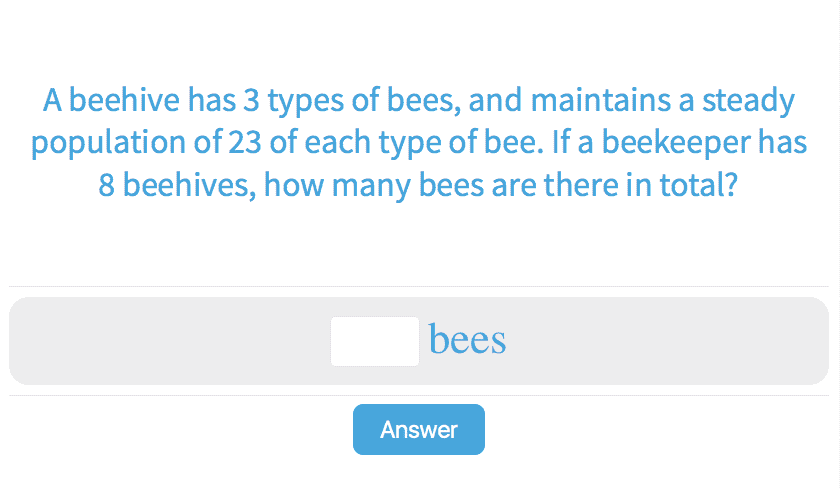
5.24Multiply Three or More Numbers Up to 1000
-
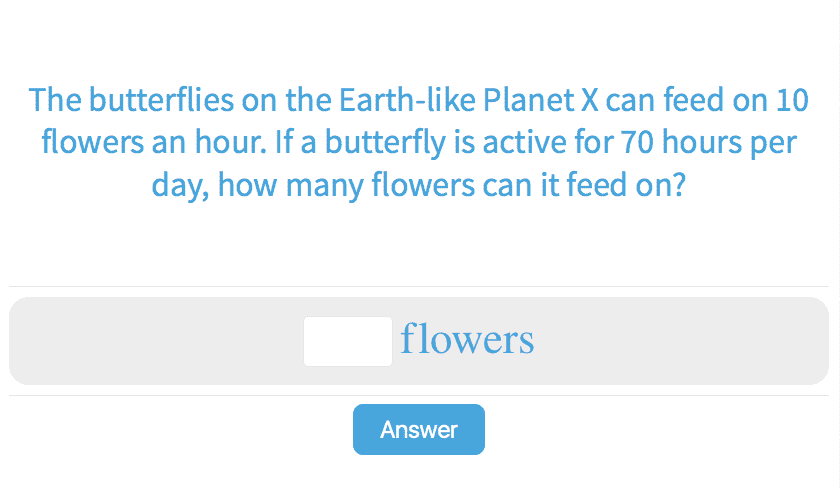
5.25Multiplication Up to 1000
-
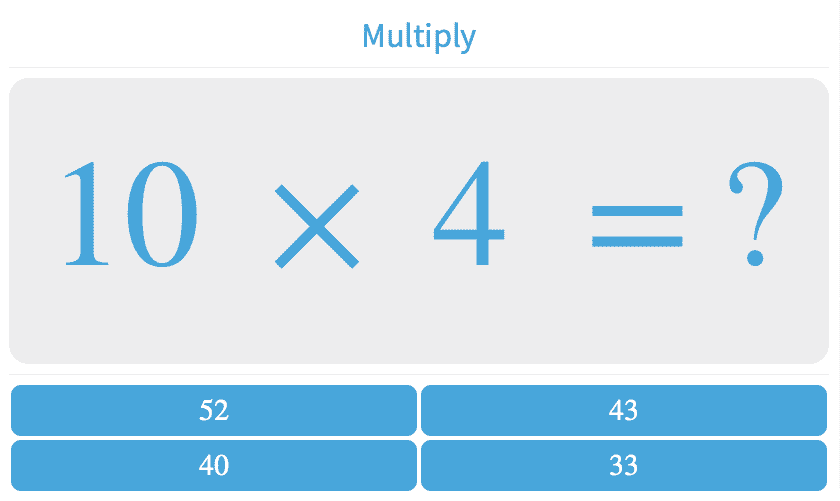
5.87Multiply Two Numbers Up to 100
-
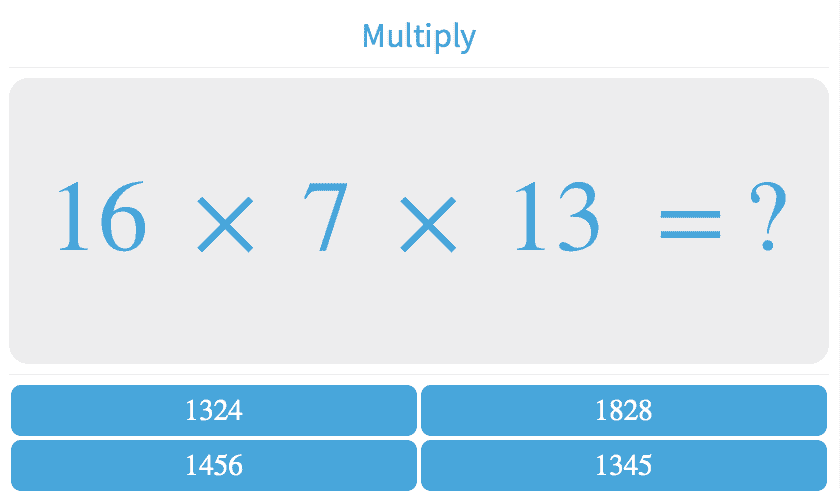
5.88Multiply 3, 4 Numbers Up to 100
-
5.89Multiply Two Numbers Up to 100 and Up to 1000
-
5.90Inequalities with Multiplication
-
5.97Multiplication with a Specific Number Up to 12
-
-
Mixed Equations
-
5.29Add and Subtract Decimals Up to 10
-
5.30Add and Subtract Decimal Up to 100
-
5.31Add and Subtract Decimals
-
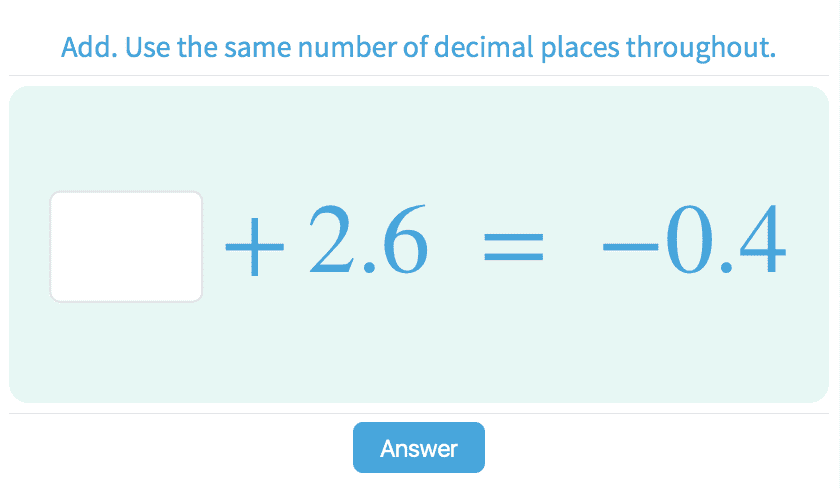
5.72Add and Subtract Decimal Numbers Up to 3 Places
-
5.74Inequalities with Decimal Addition and Subtraction
-
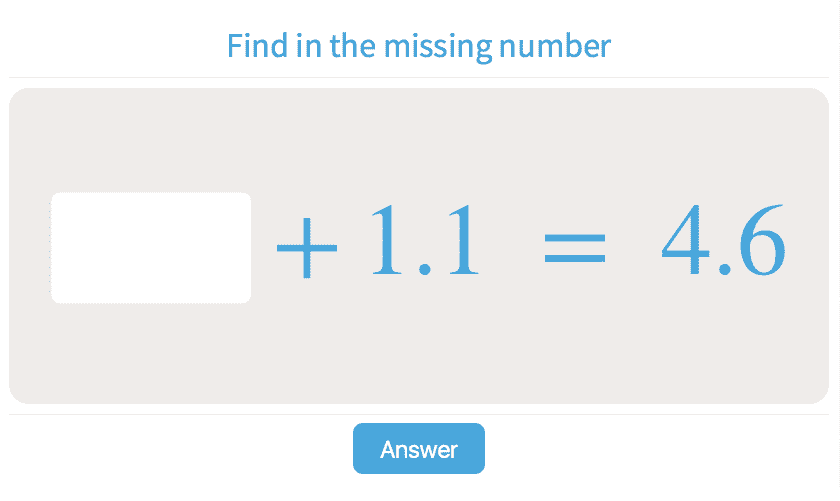
5.93Complete the Addition or Subtraction Sentence
-
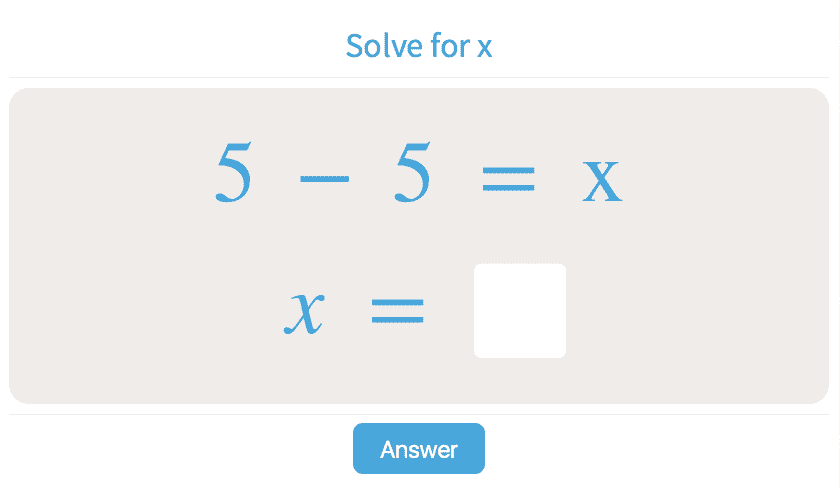
5.100Solve for the Variable with Addition and Subtraction
-
-
Decimals
-
5.29Add and Subtract Decimals Up to 10
-
5.30Add and Subtract Decimal Up to 100
-
5.31Add and Subtract Decimals
-
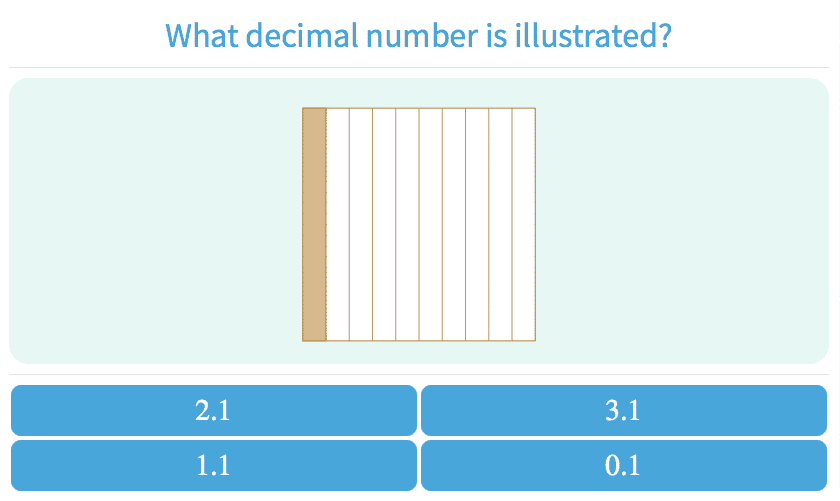
5.35Decimals with Models
-
5.36Decimal Number Lines

-
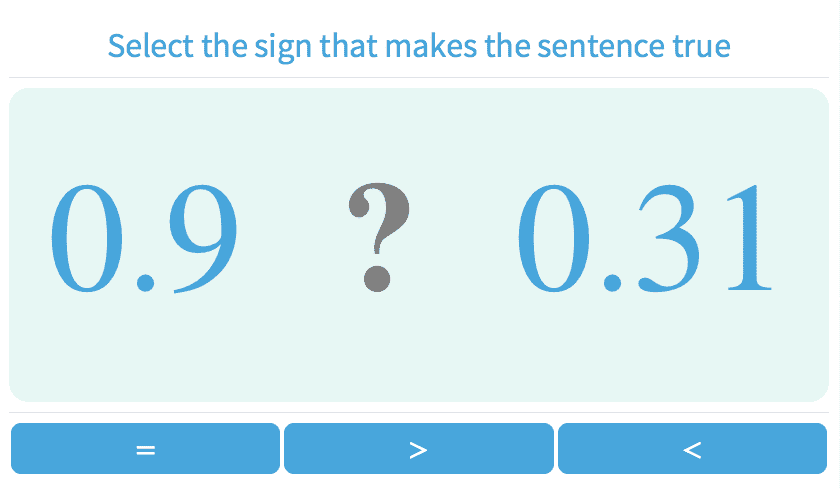
5.37Compare Decimal Numbers Up to 4 Places
-
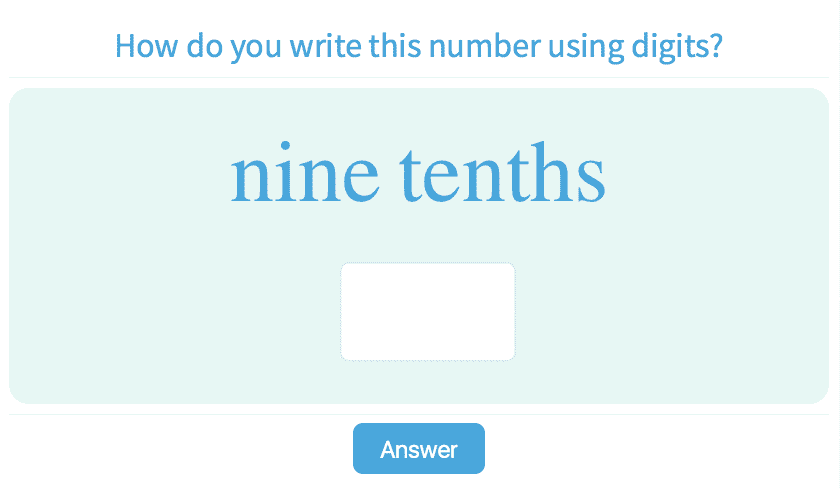
5.44Understanding Decimals Expressed in Words
-
5.51Identify Place Values in Decimal Numbers
-
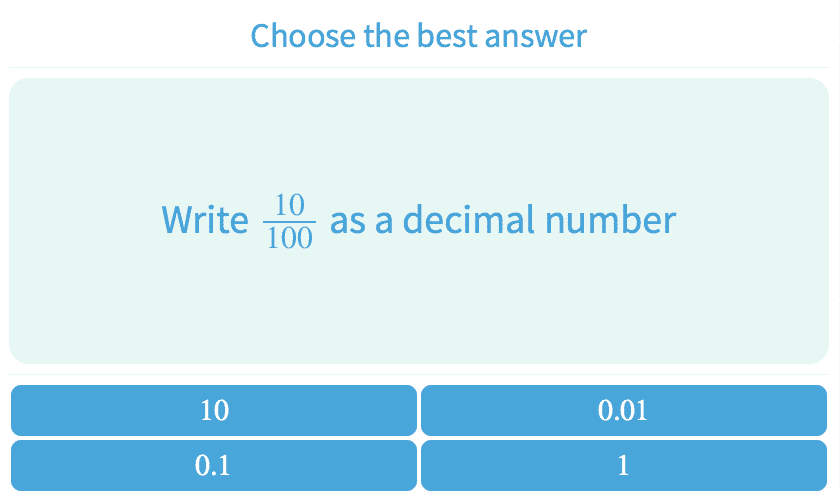
5.58Convert Fractions and Mixed Numbers to Decimals
-
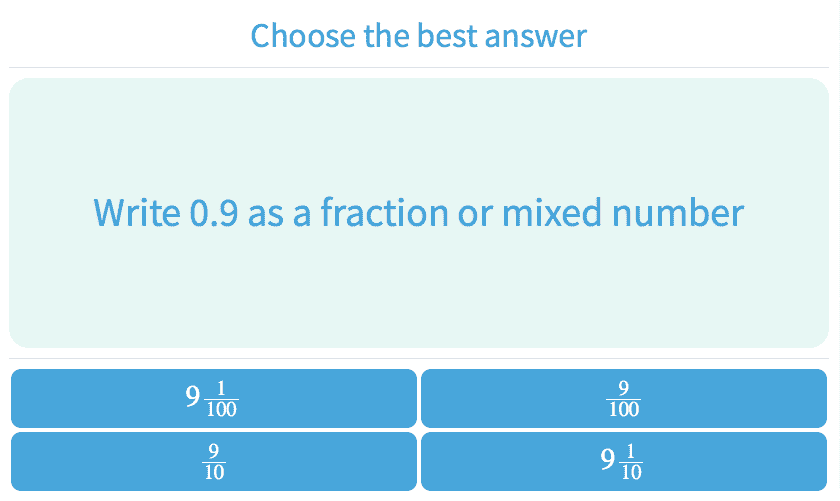
5.59Convert Decimals to Fractions and Mixed Numbers
-
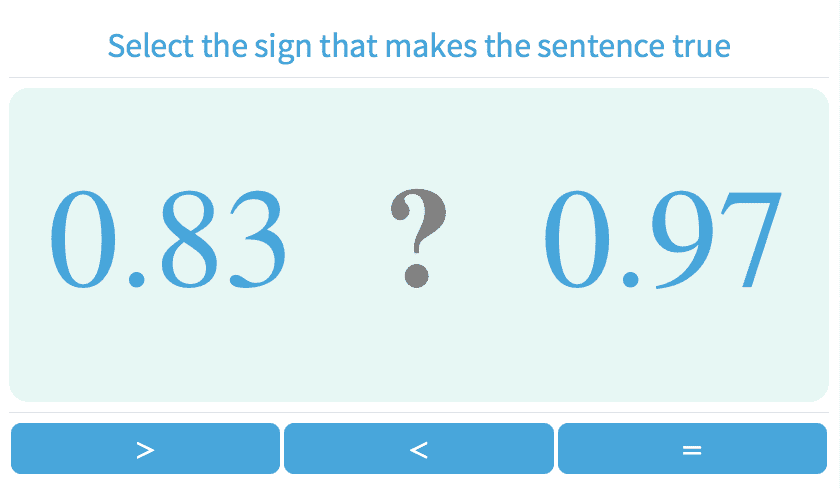
5.65Compare Decimal Numbers Up to 2 Places
-
5.72Add and Subtract Decimal Numbers Up to 3 Places
-
5.74Inequalities with Decimal Addition and Subtraction
-
5.93Complete the Addition or Subtraction Sentence
-
- Money
-
Time
-
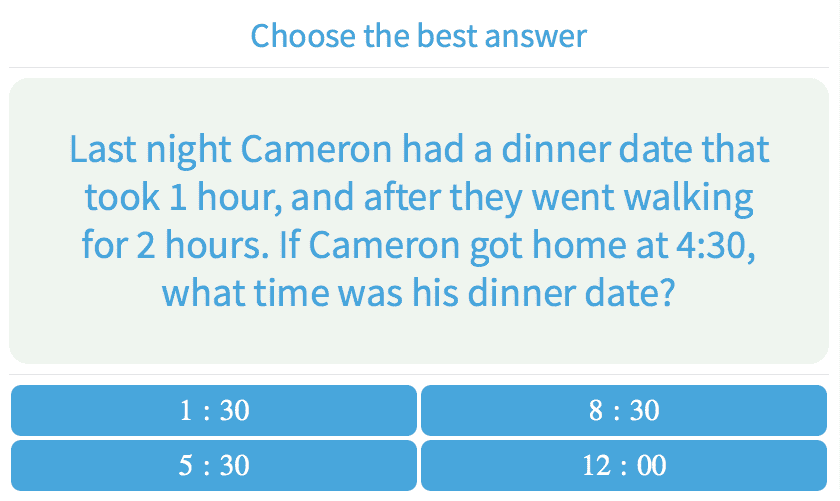
5.34Find Start and End Times
-
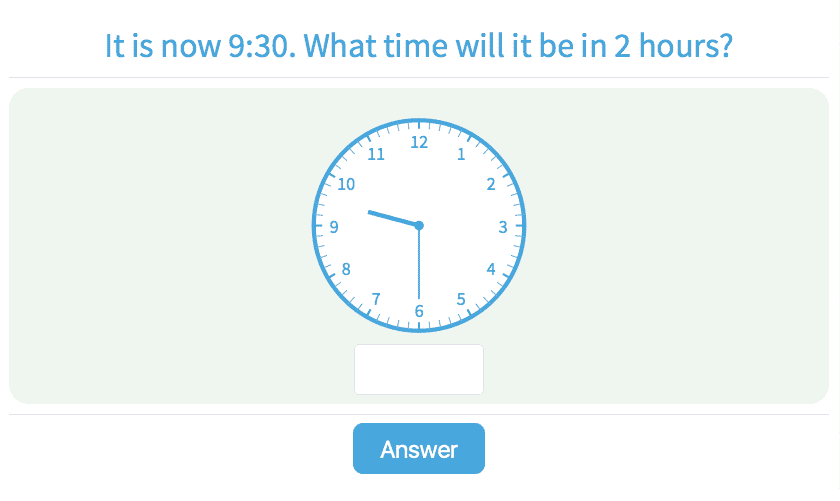
5.104Find the Change in Time I
-
5.105Change in Time Review

-
-
Graphing
-
5.36Decimal Number Lines
-
- Comparison
-
Fractions
-
5.38What Mixed Fraction Is Shown?

-
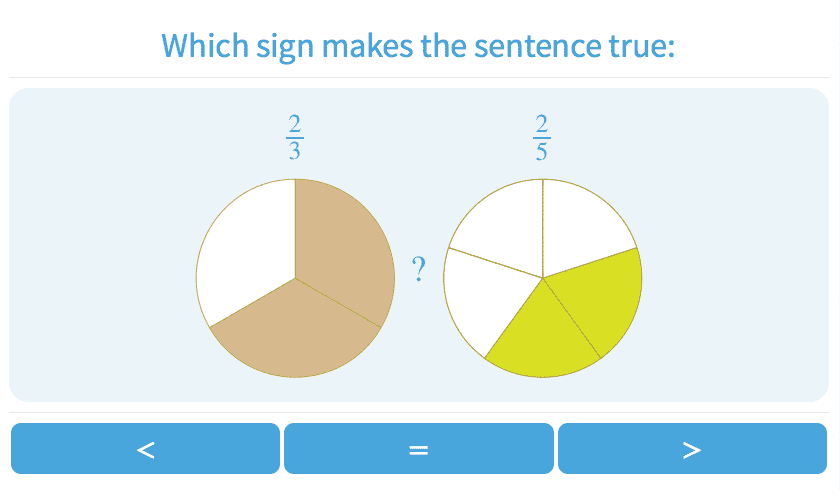
5.39Compare Fractions
-
5.40What Fraction Does the Number Line Show?

-
5.58Convert Fractions and Mixed Numbers to Decimals
-
5.59Convert Decimals to Fractions and Mixed Numbers
-
5.67Choose the Equivalent Fraction Up to Twentieths
-
5.68Choose the Equivalent Fraction
-
5.69Patterns of Equivalent Fractions

-
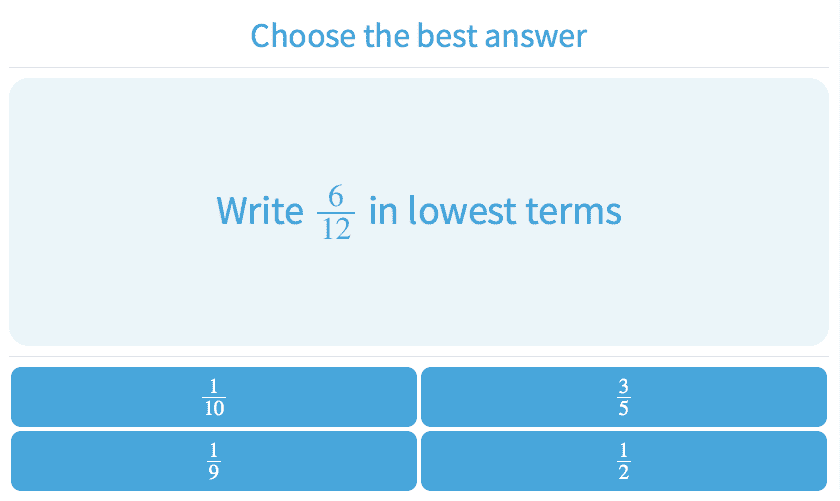
5.70Reducing Fractions to Lowest Terms
-
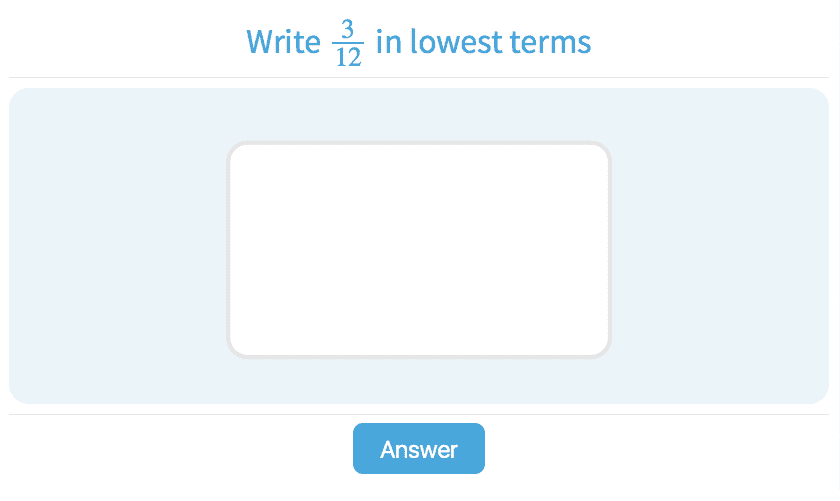
5.71Reduce to Lowest Terms
-
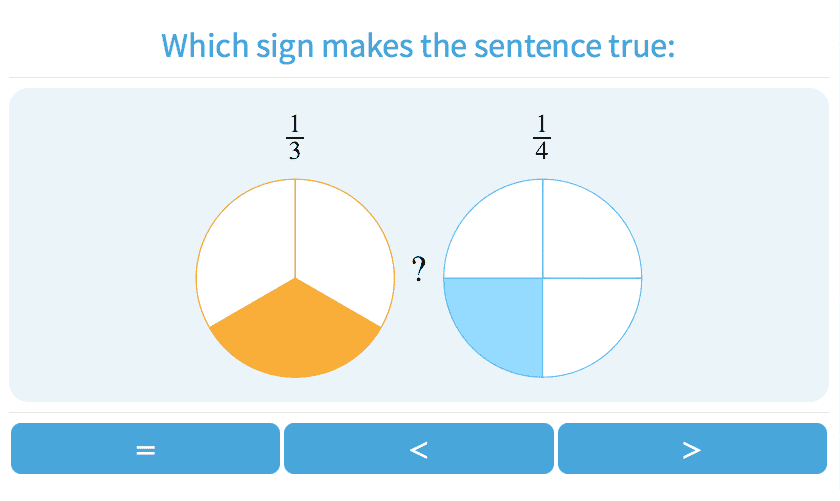
5.75Compare Fractions - Same Numerator or Denominator
-
-
Geometry
-
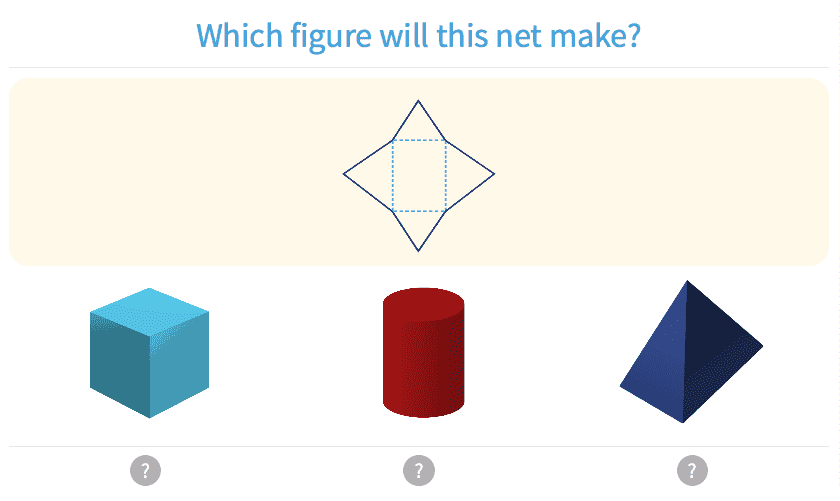
5.41Nets of 3-Dimensional Figures
-
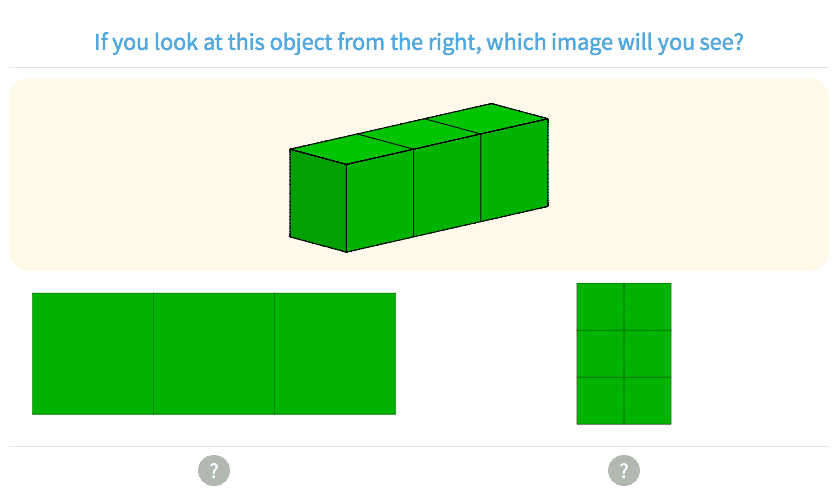
5.42Front, Side, and Top View
-
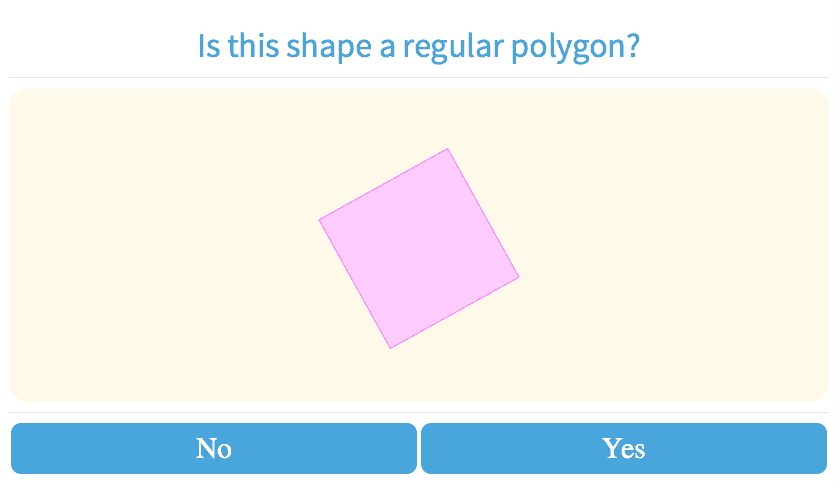
5.52Regular and Irregular Polygons
-
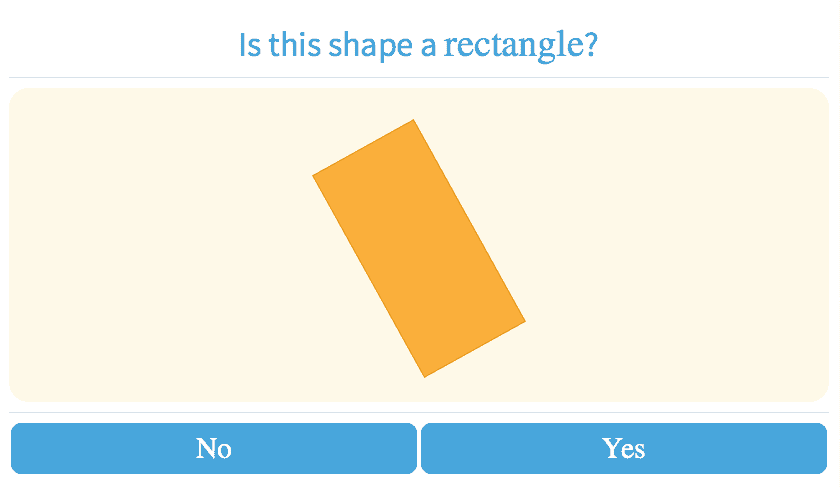
5.53Classify Quadrilateral Shapes
-
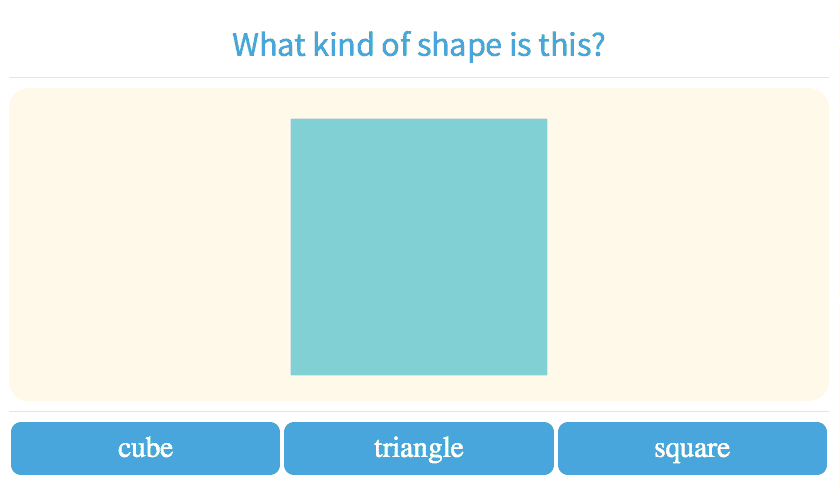
5.54Identify Simple and Complex Solid Shapes
-
5.55Identify Planar and Solid Shapes
-
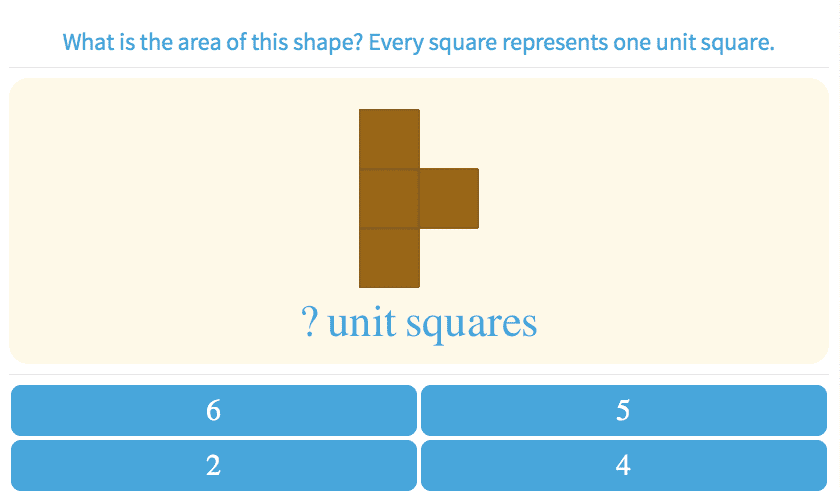
5.101Area with Unit Squares
-
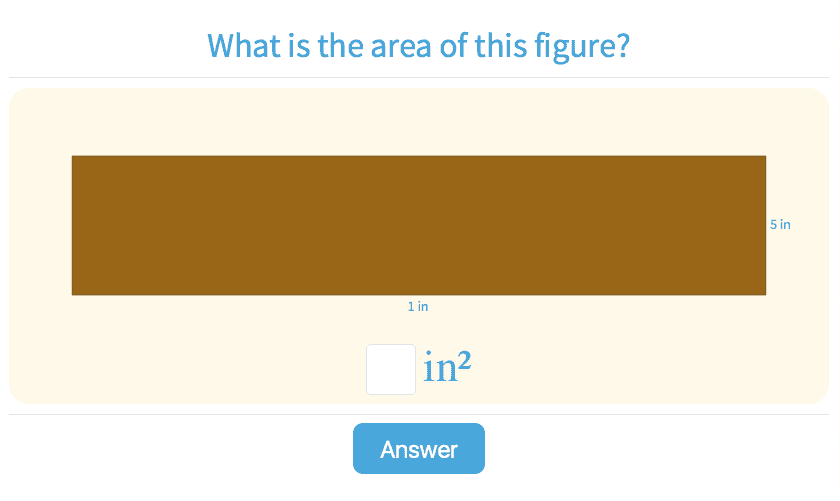
5.102Area of Rectangles
-
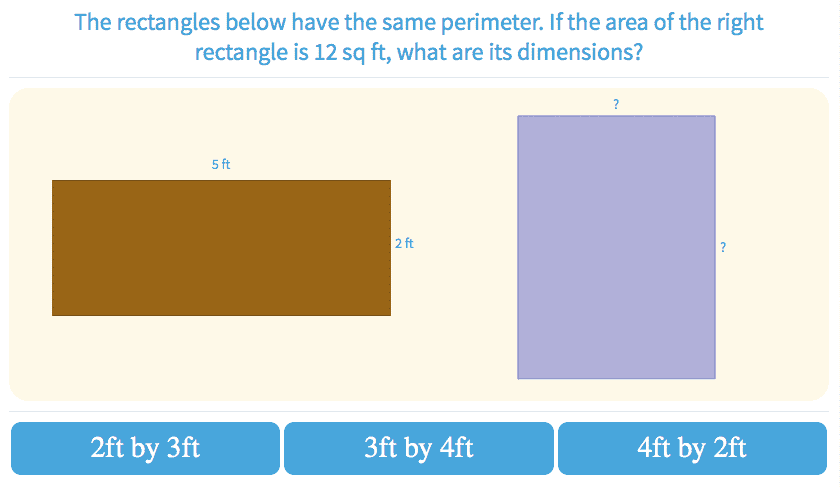
5.103Relationship Between Area and Perimeter
-
5.106Which Shape Is Described?
-
5.107Number of Sides in Polygons
-
5.108Which 2 Dimensional Shape Is Described?
-
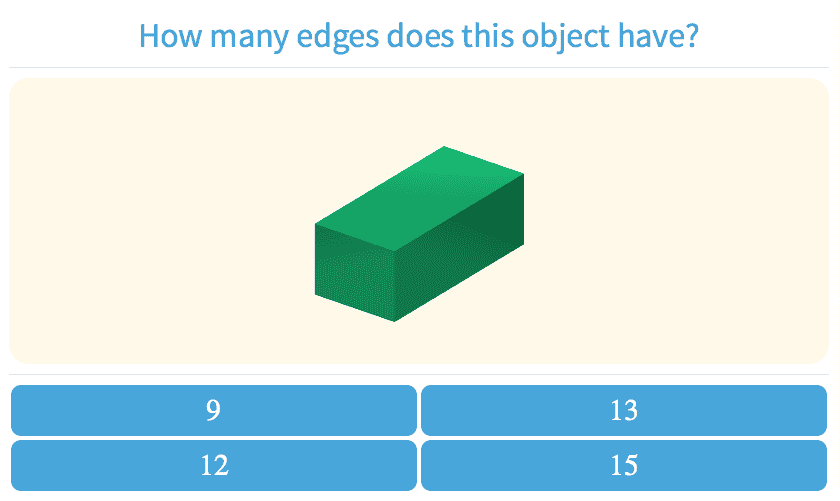
5.109Count Edges
-
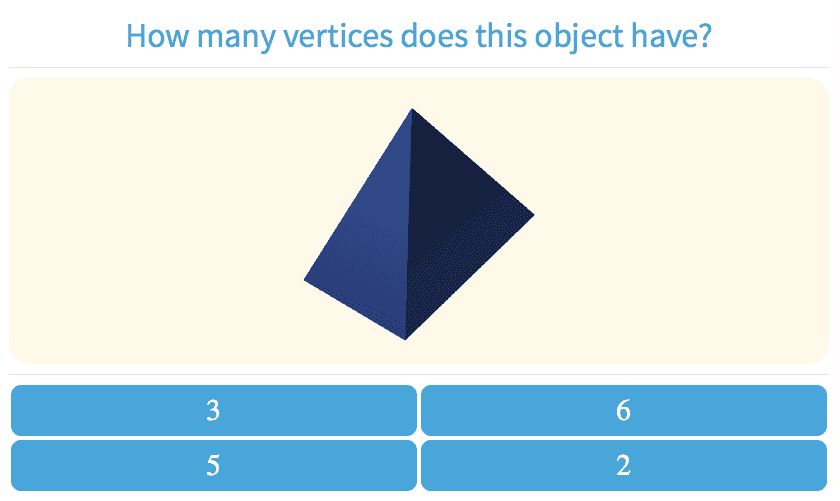
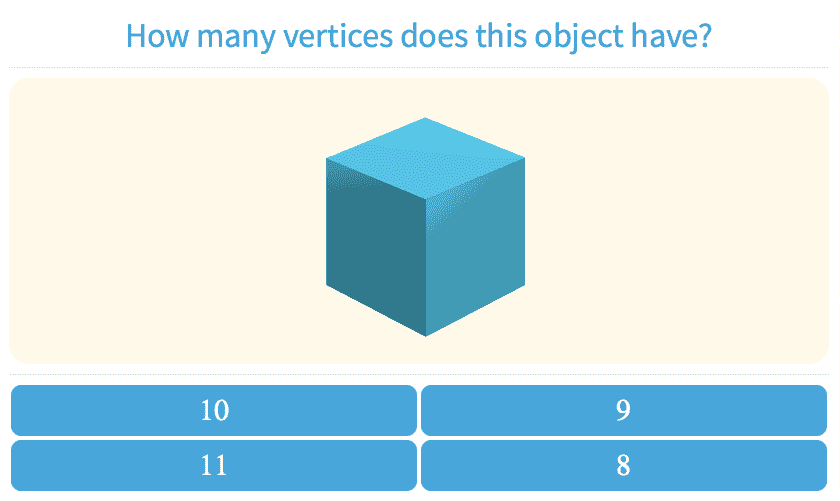
5.110Count Vertices
-
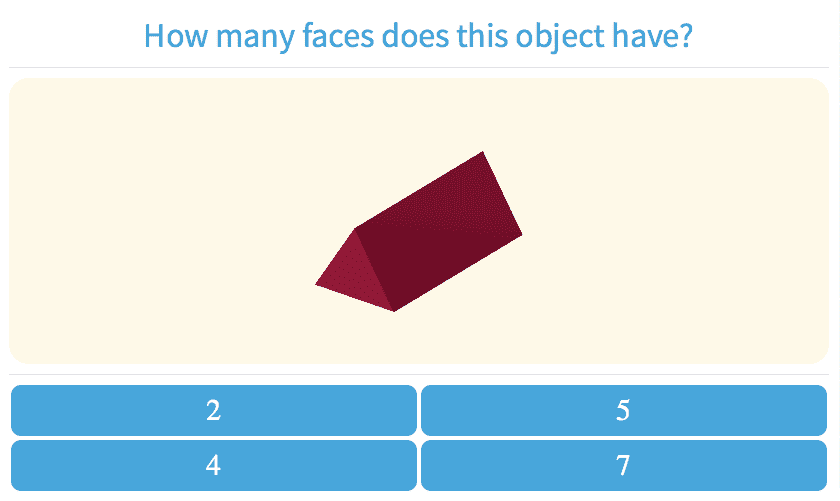
5.111Count Faces
-
5.112Count Edges, Vertices and Faces
-
- Algebra
-
Stats
-
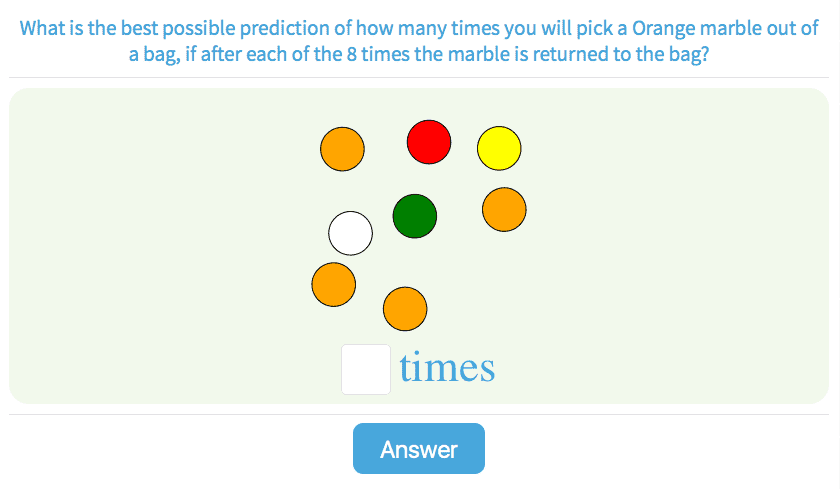
5.60Making Predictions
-
5.61Prediction Problems
-
5.113Probability of Simple Events

-
5.114Probability Problems
-
- Subtraction
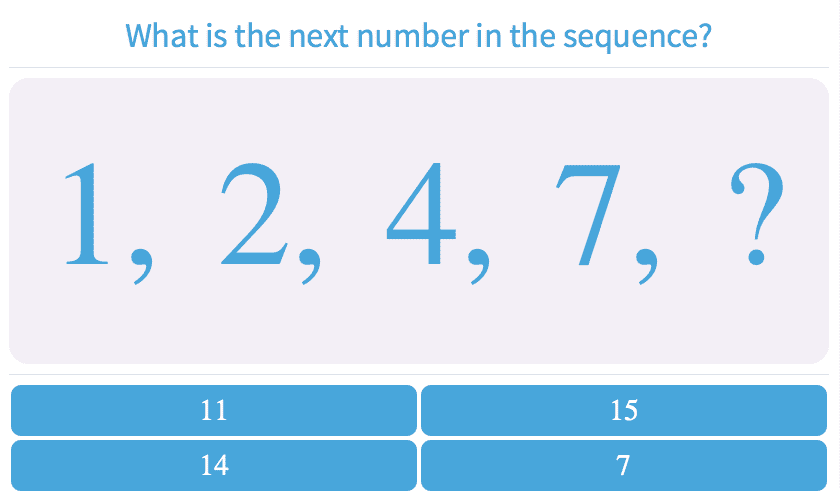
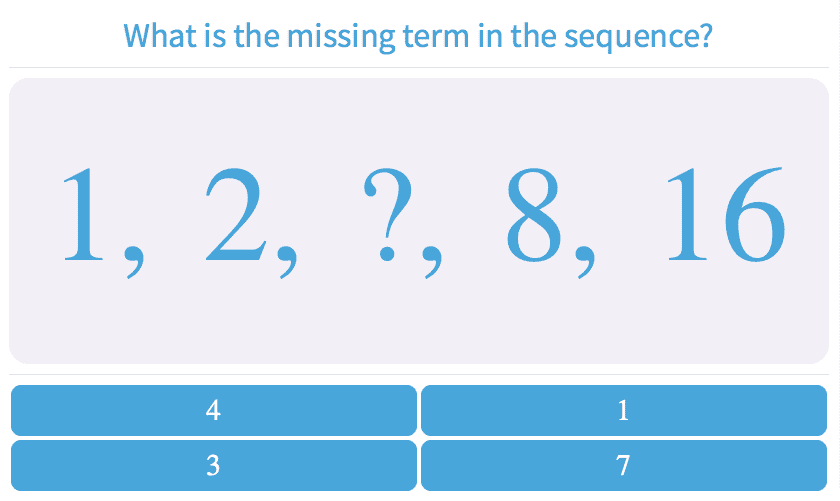
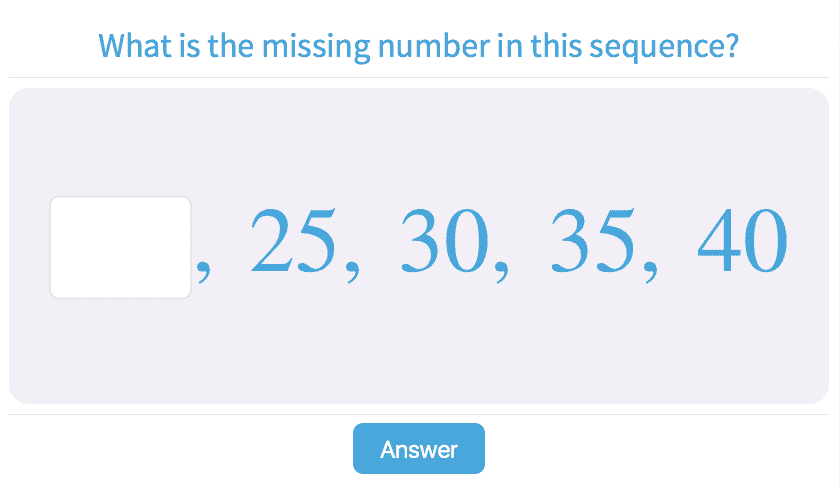
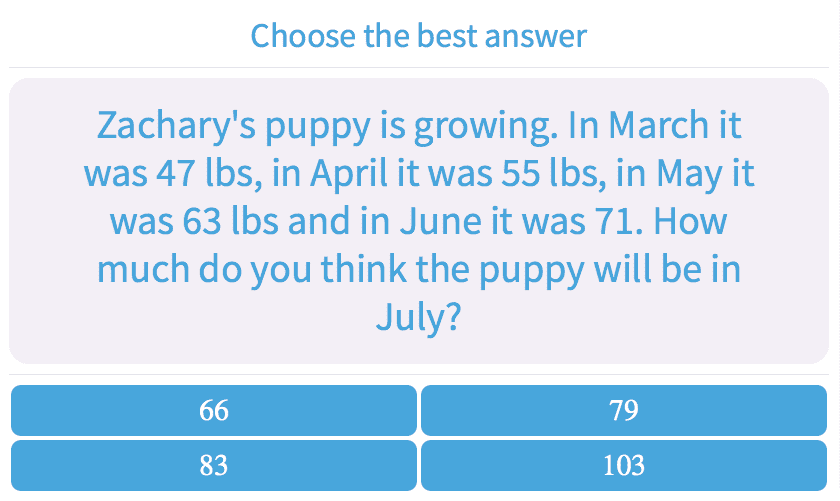
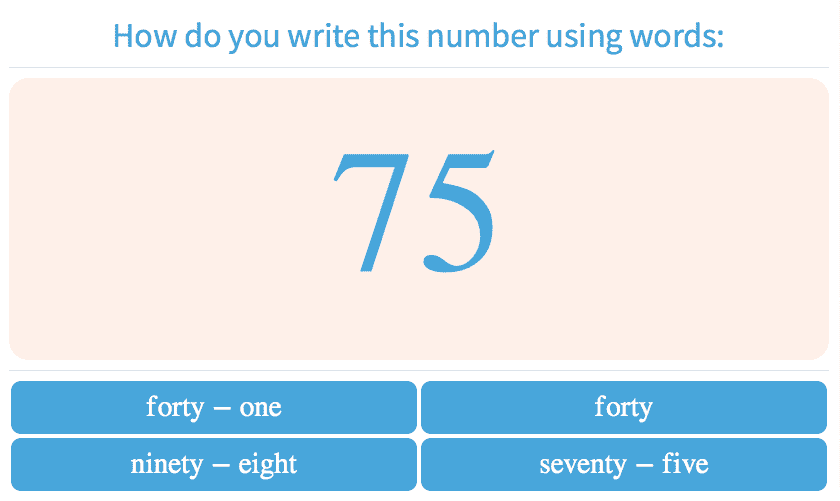

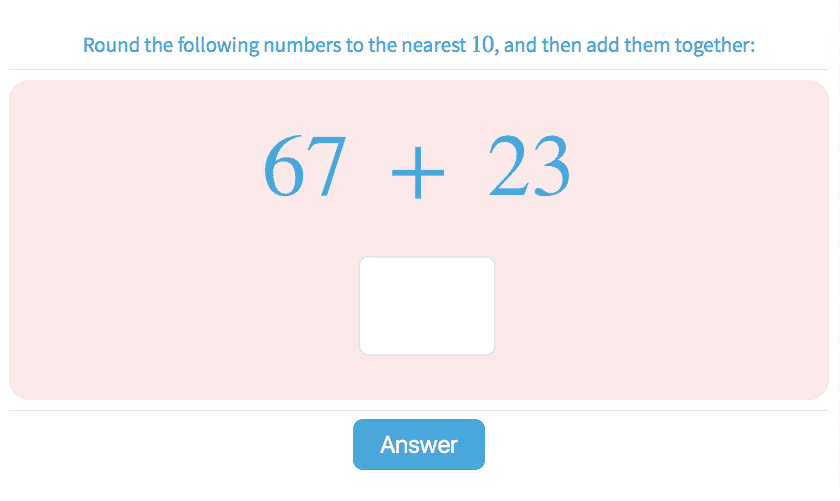
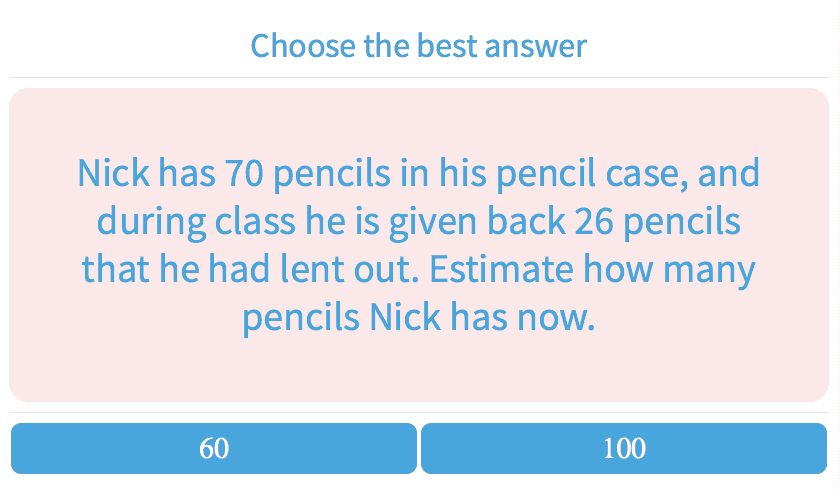
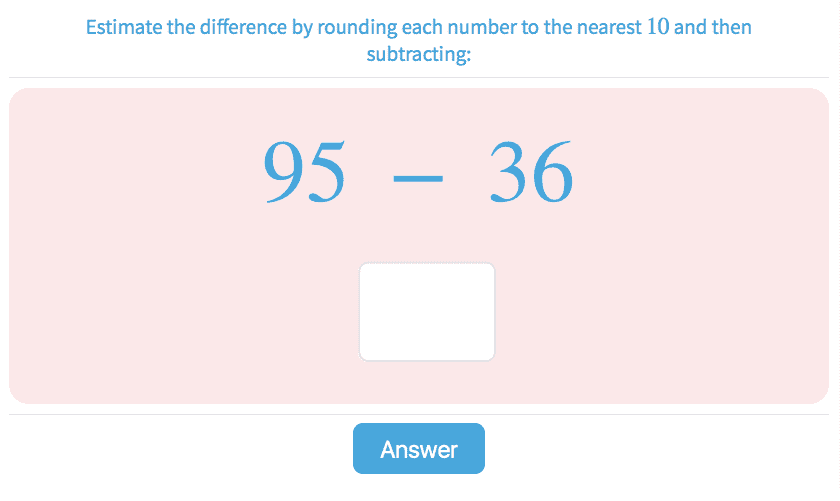
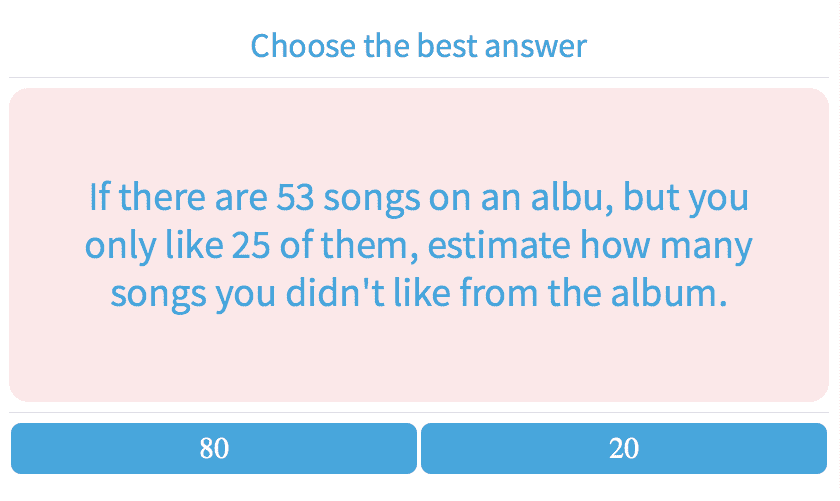
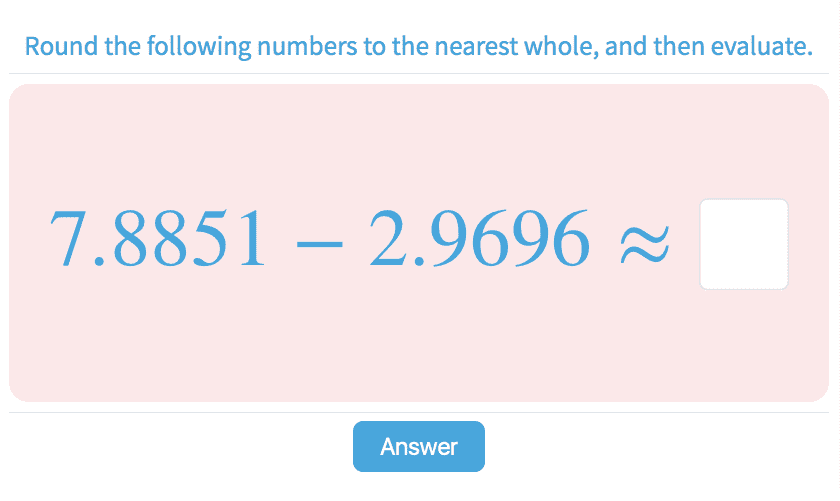
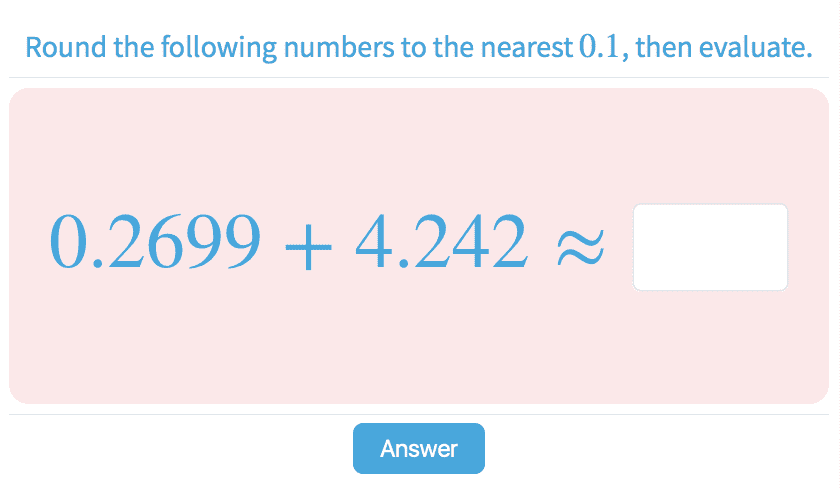
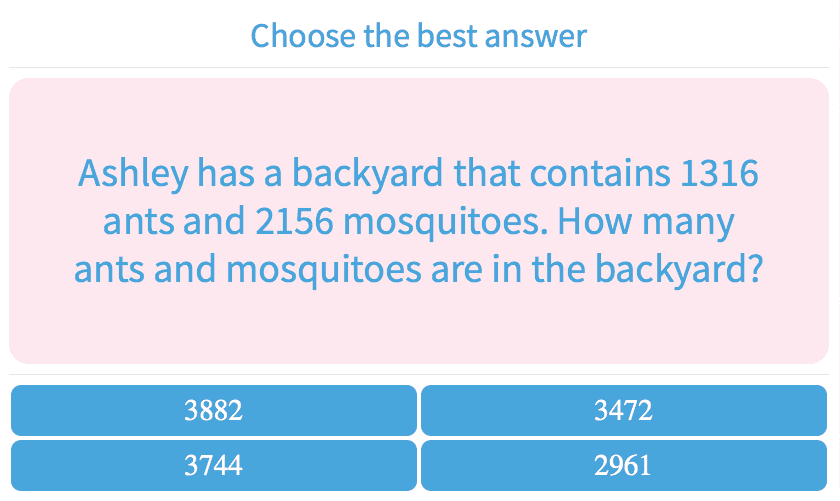
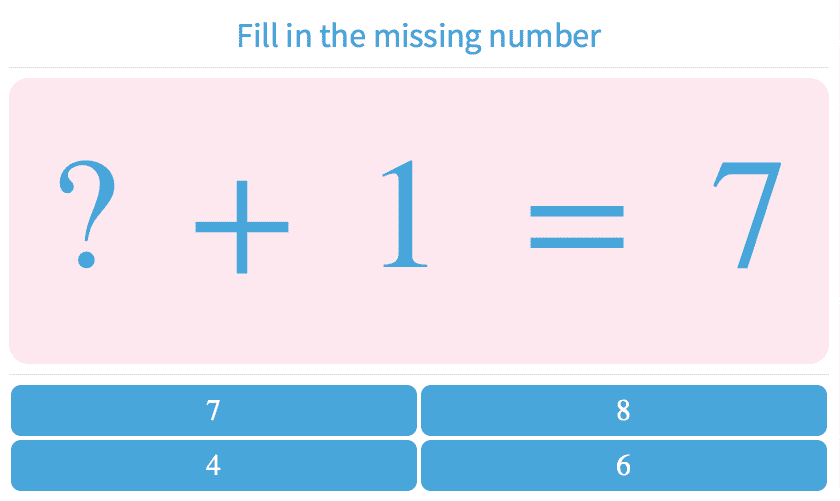
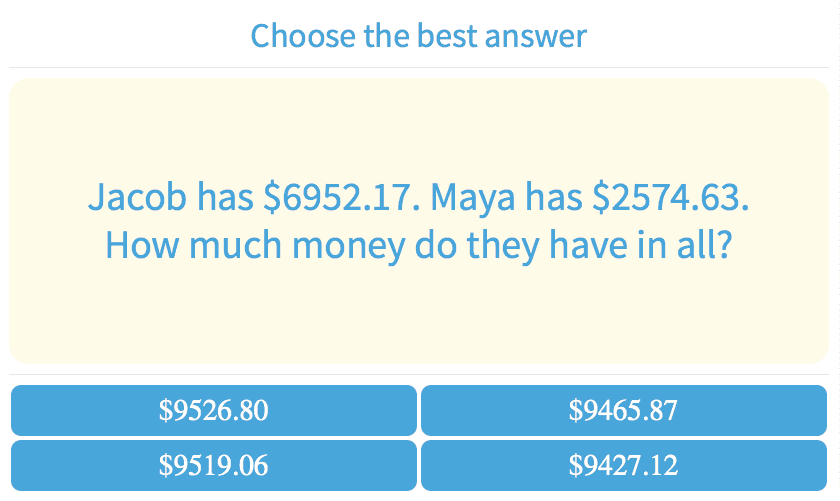
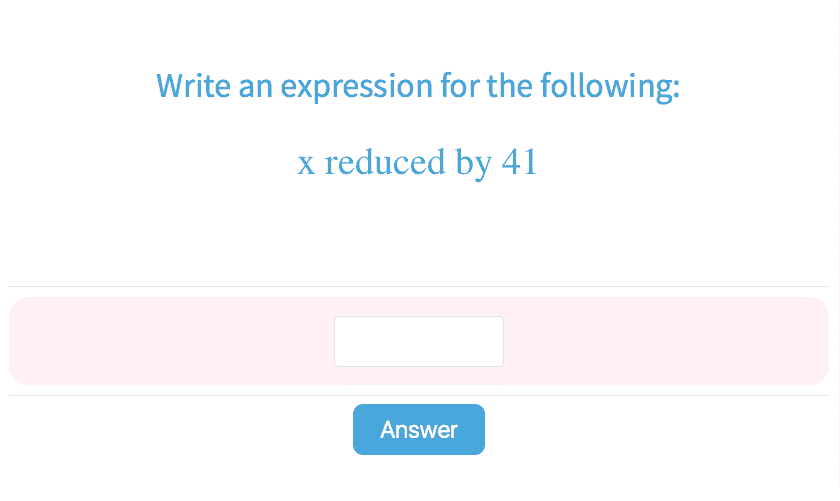
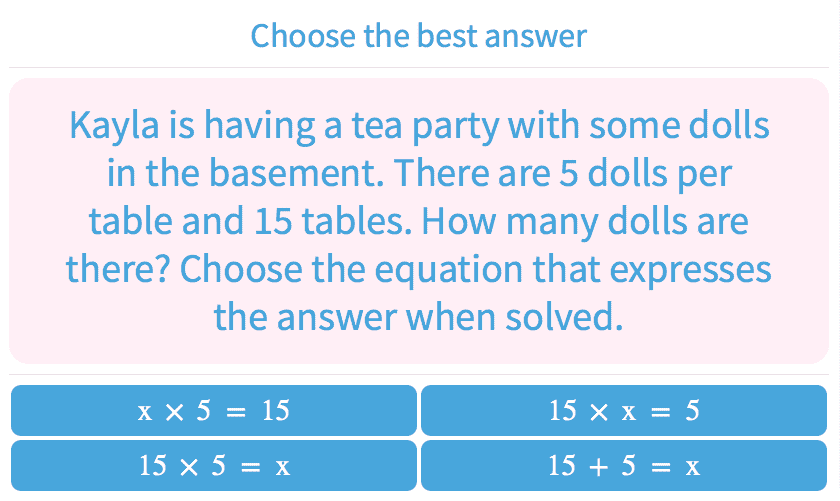
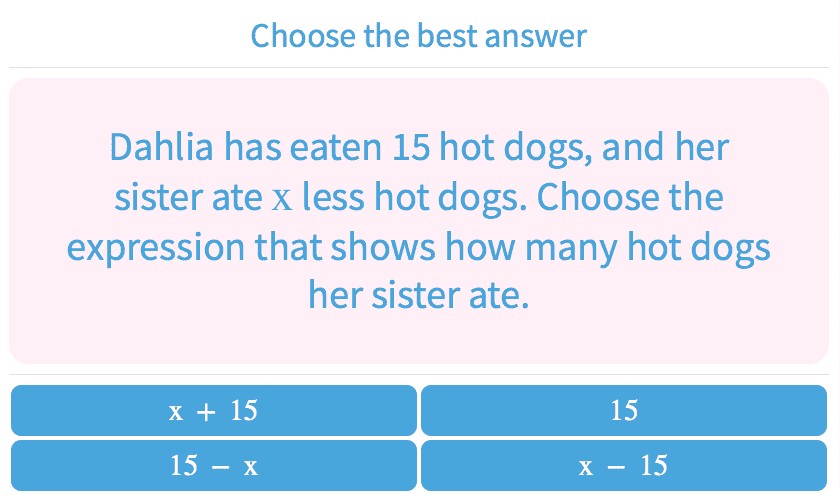
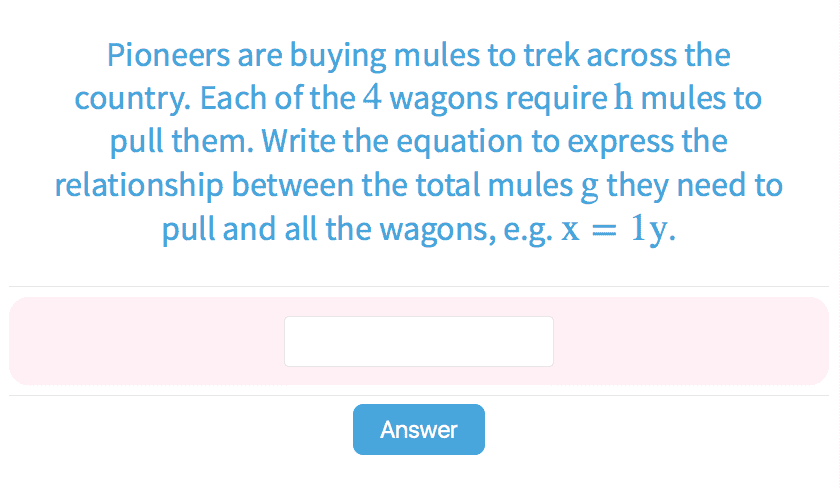
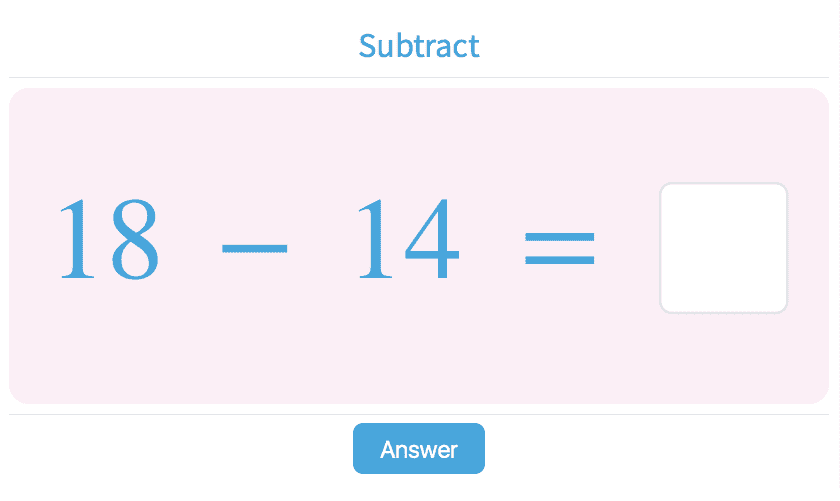
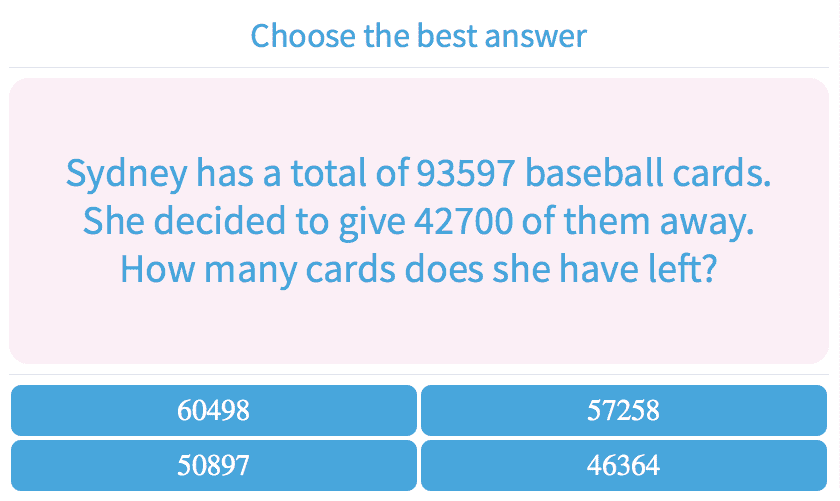
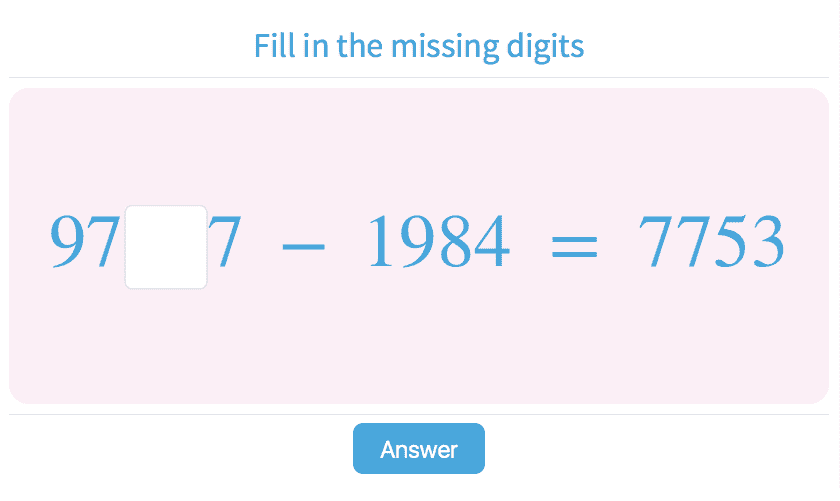
Students are entering a new section of math that consists of algebra, geometry, decimals, and more complicated division problems. When there is not a parent or teacher around, students have access to on-demand videos for their sixth-grade mathematical lessons. Our video tutorials are taught by math teachers who go through the problem solving process.
- The key to learning math is repetition, and our math teachers go through multiple examples.
- Math teachers show students step-by-step directions on how to solve these more complex problems.
- Students learn money, ratios, decimals, graphing, and other concepts from the 6th grade curriculum.